
Best Colored Pencils for Adult Coloring and Illustrations
The best colored pencils make it easier to control detail, build convincing color, and enjoy the process without fighting scratchy cores or weak pigment. Adult coloring and illustration have different demands: coloring books often reward smooth coverage and easy blending, while illustration may require precise edges, subtle layers, textured marks, and colors that remain stable over time. A good set should match your preferred technique, paper, and budget rather than simply offering the largest number of shades.
Wax-Based vs Oil-Based Colored Pencils
Wax-based colored pencils are the most familiar choice for coloring books and general illustration. Their cores usually feel smooth, blend readily, and lay down color with relatively little pressure. They are especially approachable for beginners because layering produces visible results quickly. The tradeoff is that heavy applications can develop wax bloom, a cloudy film that may appear on the surface after the drawing sits. A soft wax core can also break more easily during sharpening or under firm pressure.
Oil-based colored pencils typically have a firmer, drier feel and can produce crisp marks with less surface buildup. They are useful for fine details, controlled hatching, and illustrations that need many layers without becoming slippery. They may take more effort to blend, and some artists prefer to use a solvent or blending pencil to soften transitions. Oil-based does not automatically mean better; it means the pencil behaves differently. For relaxed coloring and broad, luminous passages, a soft wax set may be more enjoyable. For precision and durable layering, a firmer oil-based set can be the stronger option.
Softness, Pigment, and Layering Performance

Softness affects both comfort and control. A soft pencil covers quickly and can create rich gradients, but it uses more material, needs frequent sharpening, and may be less suitable for tiny details. A harder pencil preserves a sharp point longer and supports delicate lines, though it can look pale if the pigment load is low or if the paper is heavily textured. The most versatile sets tend to balance a creamy core with enough firmness for outlines and small shapes.
Pigment strength should be considered separately from softness. A very soft core is not useful if it produces dull color, while a firm pencil can still be excellent when its pigment layers cleanly. Test a few colors by applying light pressure, then adding several transparent layers. Look for color that becomes richer without turning uneven, muddy, or excessively waxy. Also check whether neighboring hues mix into a smooth transition. A strong set should let you move from pale tints to saturated passages without needing to press so hard that the paper becomes polished.
Paper matters as much as the pencil. Smooth paper is good for precise lines and blending, while toothier paper holds more layers but may make coverage look grainy. If you use coloring books with thin pages, avoid relying on heavy pressure or solvent techniques that could show through. For finished illustrations, choose paper intended for colored pencil and leave enough tooth available for later layers.
Best Colored Pencils for Beginners
Beginners usually benefit from a medium-sized set with reliable core consistency, clear color names, and a useful range of light, midtone, and dark shades. A 24-color set is compact and affordable, but it may require more mixing. A 36- or 48-color set offers more convenient transitions without overwhelming a new user. Large sets are appealing, yet they can leave beginners with many near-duplicate colors and less practice in mixing.
Prioritize a comfortable barrel, a core that sharpens cleanly, and colors that include useful neutrals. Warm and cool versions of primary colors are more valuable than a collection dominated by novelty shades. White, cream, gray, brown, dark blue, and a near-black color are particularly helpful for highlights, muted blends, shadows, and natural subjects. If you already own drawing supplies, a small expansion set may be more sensible than replacing everything.
The BEST PENCILS for adult coloring, professional art, drawing skin + more! (My Recommendations)
A catalog of four product picks can be compared most effectively by weighing each pencil’s pros and cons rather than treating a higher price or larger set as proof of quality. Consider whether the first pick favors soft blending, the second favors firm detail, the third offers the best color range for its cost, and the fourth is easiest to carry or replace. Then match those strengths to your paper, preferred pressure, and typical projects. This approach keeps the choice practical even when the sets use different core formulas and contain different numbers of pencils.
Blending, Sharpening, and Lightfastness
Recommended products
Use these catalog picks as a shortlist for best colored pencils for adult coloring and illustrations. Compare measurements, materials, and return terms side by side instead of buying from a photo alone.


Blending can be done with additional pencil layers, a colorless blender, or a compatible solvent, depending on the paper and manufacturer guidance. Pencil-on-pencil blending gives the most control and is the safest starting point. Use a light shade to burnish gradually rather than pressing hard at the beginning. Burnishing can smooth the surface, but it also fills the paper tooth and makes further layering difficult. For gradients, build color from light to dark and overlap each layer with small, controlled strokes instead of trying to cover the entire area in one pass.
Sharp points are essential for outlines, eyelashes, lettering, and small decorative areas. A quality hand sharpener is portable, but different core formulas may prefer different blade angles. If a pencil repeatedly breaks, inspect whether the core is off-center, whether the sharpener blade is dull, or whether you are applying too much force. An electric sharpener is convenient for a large coloring project, although it can remove more wood and core than necessary. Keep a spare sharpener available, and rotate the pencil while sharpening for a more even point.
Lightfastness matters when an illustration will be displayed, sold, or stored as a finished original. It describes how well a pigment resists fading under light, but ratings vary by brand and color. Check the manufacturer’s lightfastness information rather than assuming every pencil in a premium set has the same rating. For temporary coloring-book pages, this may be a lower priority. For artwork intended to last, use archival paper, avoid prolonged direct sunlight, and record the pencil colors used if you may need to reproduce the piece.
How to Choose a Colored Pencil Set Size
A 12-color set is suitable for testing a brand, travel, or learning color mixing, but it can feel restrictive for detailed coloring. A 24-color set is a sensible low-cost starting point and works well for simple illustrations. A 36- or 48-color set usually offers the best balance for regular adult coloring because it includes more intermediate hues while remaining manageable. Sets of 72 colors or more are convenient for complex scenes, portraits, botanicals, and artists who want fewer custom mixes. Their disadvantages are higher cost, more storage space, and greater risk of buying shades that rarely leave the case.
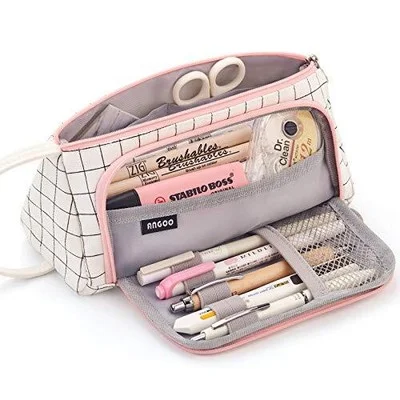
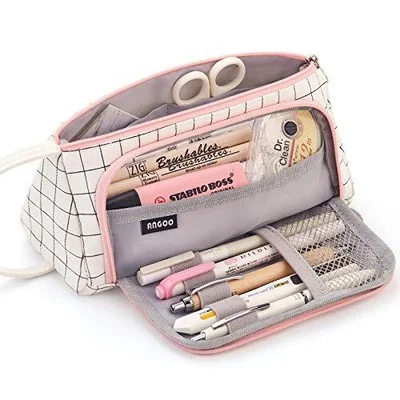
Storage protects both the pencils and your workflow. A Zippered pouch is useful for travel and keeps a working selection together, while a rigid case offers better protection for delicate cores. Labeling pencils by color family can make large sets easier to navigate. Keep them away from high heat, which can soften wax-based cores, and avoid storing them loose where the tips may knock against one another.
Brand familiarity can be helpful, but it should not replace checking the specifications. BIC may be associated with everyday writing supplies, while RITE IN THE RAIN is known for weather-resistant paper products and Rotring for technical drawing tools. Those names can be relevant when assembling a broader portable art kit, but colored-pencil decisions should still rest on core behavior, pigment quality, set contents, and lightfastness. A pencil labeled F, for example, may refer to a grade or product designation depending on the system, so confirm the manufacturer’s explanation before comparing it with another brand.
The phrase fine writing instrument mechanical may describe a separate precision tool rather than a colored pencil, so do not assume that a slim mechanical format will perform like a traditional wooden colored pencil. For illustration, choose the format that gives you the right combination of pressure control, point retention, and replaceability. The best pencils are the ones that support your actual habits: smooth coverage for relaxing coloring, firm control for detailed drawing, or a balanced core for doing both.
FAQ: Best Colored Pencils for Adult Coloring and Illustrations
Are wax-based or oil-based colored pencils better for adult coloring and illustrations?+
Wax-based pencils are usually softer and easier to blend, making them a comfortable choice for large coloring areas and beginners. Oil-based pencils tend to be firmer, layer cleanly, and hold a sharp point well for detailed illustrations. Choose based on whether you prioritize smooth blending or precise, controlled marks.
What should beginners look for in colored pencils?+
Beginners should look for pencils with smooth pigment, reliable color laydown, and a moderate range of colors rather than the largest set available. A set of about 24 to 36 colors is versatile for learning blending, layering, and basic shading. Pencils that sharpen without frequent breakage can also make practice less frustrating.
How do I choose colored pencils that blend and layer well?+
Look for pencils with rich pigment and a smooth core that can build several layers without becoming excessively waxy or scratchy. Test whether lighter colors can be layered over darker ones and whether blending works with additional pencil, a colorless blender, or light pressure. A softer core generally blends faster, while a firmer core offers more control for detailed work.
What colored pencils sharpen well and work for fine details?+
Pencils with a firmer core and durable wood casing typically sharpen to a longer, more precise point. Oil-based pencils often stay sharp longer, while some softer wax-based pencils may need more frequent sharpening. Use a quality manual or electric sharpener designed for colored pencils, and avoid excessive pressure to reduce breakage.
How many colored pencils do I need for adult coloring and illustration?+
A 24- to 36-color set is a practical starting point for beginners and supports basic mixing and layering. Choose a 48- to 72-color set if you want more ready-made shades, fewer mixing steps, or greater flexibility for detailed illustrations. Larger sets are useful for advanced work, but they cost more and may include colors you rarely use.