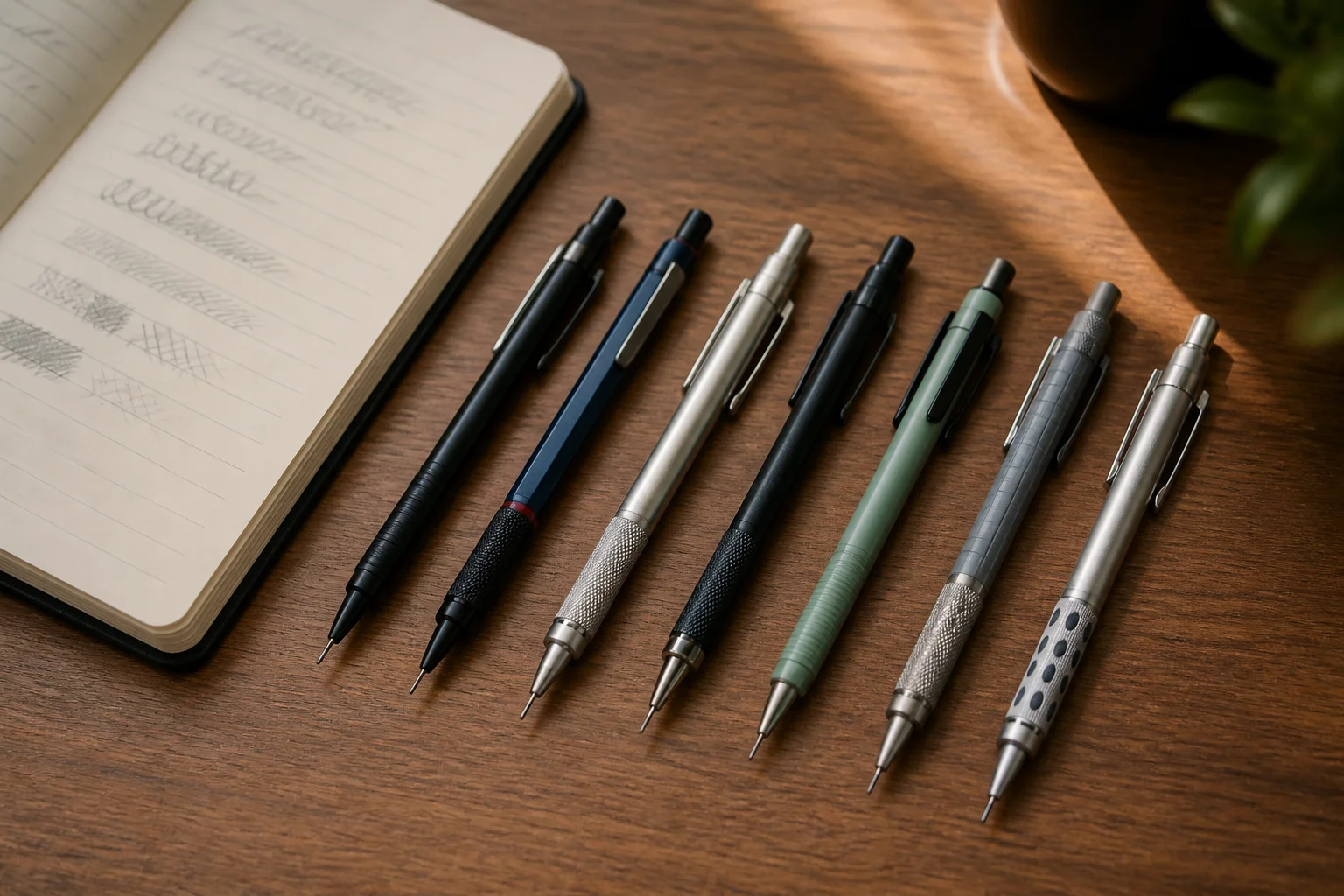
The best mechanical pencils make everyday writing feel controlled, consistent, and comfortable. Unlike wooden pencils, they do not need sharpening and can produce a steady line for notes, forms, diagrams, and homework. The right choice depends on more than appearance: lead size, grip design, balance, eraser quality, and tip construction all affect how a pencil feels after several pages of writing. Whether you prefer a slim pencil for quick notes or a cushioned grip for longer study sessions, a few practical details can help narrow the options.
What Makes a Mechanical Pencil Comfortable to Write With
Comfort starts with the shape and weight of the barrel. A lightweight pencil is easy to carry and works well for short notes, but an overly light design may feel less stable during extended writing. A slightly heavier barrel can provide a more deliberate, balanced feel, especially when the weight is centered near the grip rather than concentrated at the back. Neither option is universally better; the best balance depends on whether you write quickly, press firmly, or prefer a relaxed grip.
The grip is equally important. Textured plastic, rubber, and knurled metal can all improve control, but they feel different in use. Soft rubber may be comfortable for long sessions, while a firmer textured grip can be more precise and less likely to become slippery. Look for a grip wide enough to hold without excessive finger pressure. If you regularly write for classes, planning, or office work, a comfortable grip can matter more than decorative finishes or an unusually elaborate mechanism.
Check the advancement button before buying. A top button is familiar and easy to operate, while a side button can let you advance lead without changing your hand position. Some pencils also use a shaker mechanism, allowing a short movement to advance the lead. These designs can be convenient, although they may feel less predictable to people who prefer a traditional click. A sturdy Clip is useful for attaching the pencil to a notebook or pocket, provided it does not catch on fabric or add uncomfortable pressure.
Lead Sizes and Their Best Uses
Lead diameter changes both the writing experience and the pencil’s ideal purpose. A 0.5 mm lead is a versatile choice for general writing, schoolwork, calendars, and fine annotations. It creates a relatively precise line without being as delicate as smaller leads. A 0.7 mm lead is more forgiving for people who press firmly and is well suited to everyday notes, forms, and rough calculations. It also tends to feel smoother when writing on ordinary copy paper.
A 0.3 mm lead can produce very fine marks for detailed diagrams, small handwriting, and technical work, but it requires lighter pressure and may break more readily if handled forcefully. A 0.9 mm lead offers a bolder, sturdier line for large handwriting, sketching, and quick brainstorming. For drawing or shading, thicker leads can be more expressive, though a mechanical pencil is not a replacement for every art tool. People who enjoy combining sketches with colored work may also keep CRAYONS nearby, while an Electric Sharpener is more relevant to wooden pencils than to mechanical models.
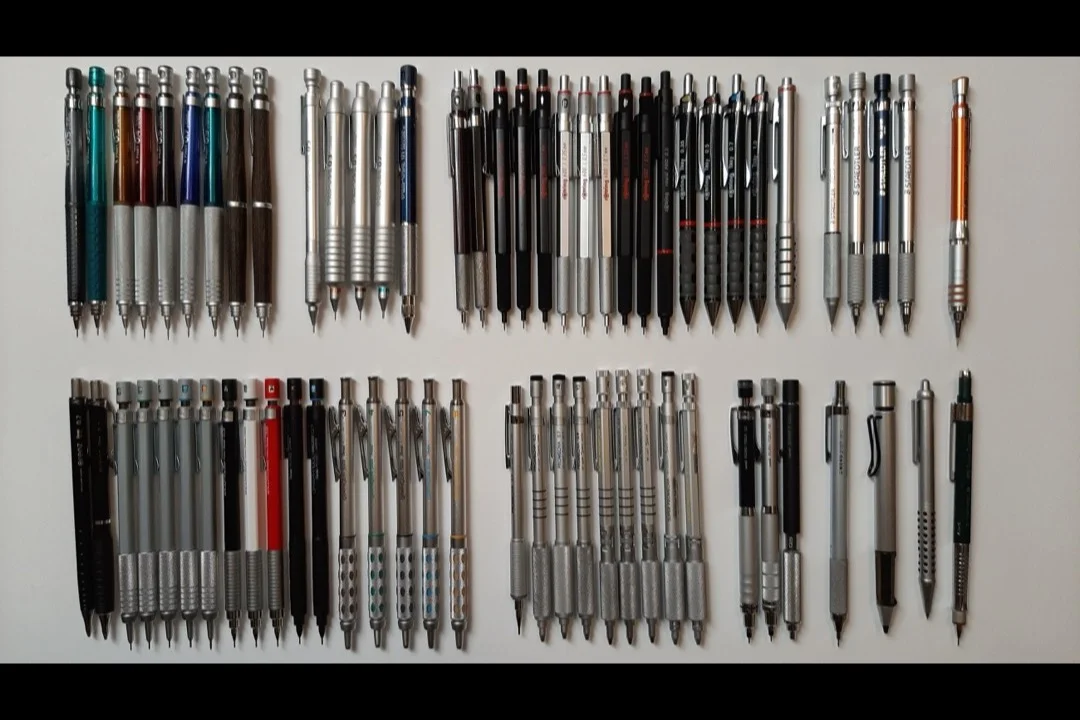
Lead hardness affects the result as well. HB is a practical middle ground for general writing. Softer grades can look darker and glide more easily, but they may smudge or wear down faster. Harder grades stay sharper and create lighter marks, which can be useful for drafting or precise diagrams. Before judging a pencil, consider whether replacement leads in your preferred diameter and hardness are easy to find. A comfortable barrel is less useful if compatible refills are difficult to purchase.
Best Mechanical Pencils for Students and Office Work
For students, prioritize durability, a dependable clip, and an eraser that can handle small corrections. A 0.5 mm or 0.7 mm model is usually versatile enough for class notes, homework, and test preparation. A visible lead sleeve can help with precise writing, but a retractable tip may be preferable when the pencil is carried in a backpack. Students who tend to press hard should consider a thicker lead or a model with a lead sleeve designed to reduce breakage.
Office users may benefit from a pencil that looks unobtrusive and works reliably on forms, meeting notes, calendars, and marked-up documents. A retractable tip helps protect pockets and bags, while a firm Clip keeps the pencil accessible beside a notebook. A replaceable eraser is worthwhile if the pencil will be used for editing or paperwork. For shared desks or supply drawers, straightforward designs from brands such as Avery or Bazic may be appealing when ease of replacement and familiar sizing matter more than specialized features.
ZEBRA offers mechanical pencil options that are often recognized for practical writing features and clean, functional styling. When considering any brand, compare the actual lead size, grip material, refill availability, and tip design rather than relying only on the name. A pencil that suits one writer’s hand may feel too narrow, too light, or too rigid for another. If possible, test the grip for several minutes with the pressure you normally use.
Recommended product
Use these catalog picks as a shortlist for best mechanical pencils for writing and everyday use. Compare measurements, materials, and return terms side by side instead of buying from a photo alone.


Refillable Erasers, Grips, and Retractable Tips
A refillable eraser can extend the useful life of a mechanical pencil, especially for students, planners, and anyone who edits handwritten work. Check how much eraser is exposed and whether replacement erasers are sold separately. A small eraser is fine for occasional corrections, but it may become frustrating if you frequently revise notes. Twist-up erasers offer more usable material, although they can wobble if extended too far.
Retractable tips are valuable for portability. A fixed metal sleeve can be excellent for precision but may poke through a pencil case or bend when dropped. Retracting the sleeve protects it during transport and reduces the chance of damaging other items. The mechanism should lock firmly in both positions; a tip that retracts accidentally can interrupt writing, while one that sticks may become inconvenient over time.
Grip materials also affect maintenance. Rubber can collect dust and may eventually feel less tacky, while metal and hard plastic are easier to wipe clean. A textured surface can improve control, but deep grooves may hold debris. For a pencil used daily, simple cleaning and occasional replacement of the lead and eraser are usually enough to keep it performing well. Avoid forcing lead through a blocked tip, since fragments can jam the internal clutch.
How to Choose the Right Mechanical Pencil
Start with your most common task. Choose 0.5 mm for a balanced all-purpose option, 0.7 mm for a more forgiving everyday line, 0.3 mm for fine detail, or 0.9 mm for a bolder and sturdier mark. Then consider how long you write at one time. Extended sessions call for a grip that reduces pressure, while short notes may justify a slimmer and lighter design.
Next, match the construction to how you carry the pencil. Choose a retractable tip if it will travel in a pocket or crowded pencil case. Choose a sturdy Clip if it will stay attached to a notebook. Select a refillable eraser if corrections are frequent, and verify that replacement leads and erasers are readily available. These practical details often make a larger difference than a premium finish.
When comparing the catalog pick that appears with this guide, weigh its advantages against its trade-offs instead of treating any single pencil as best for everyone. Consider whether its lead size matches your handwriting, whether its grip supports long sessions, and whether its eraser and tip design suit your routine. A model with a comfortable barrel and widely available refills may be the better everyday choice, while a more specialized pencil could be preferable for fine detail or heavy-duty use. The strongest choice is the one whose features solve your particular writing problems without adding mechanisms you will not use.
Mechanical pencils are small tools, but the right design can make writing more consistent and less tiring. Focus on lead size, pressure, balance, grip comfort, portability, and refill costs. Once those fundamentals fit your routine, brand, color, and finish become useful preferences rather than the main basis for the decision.
FAQ: Best Mechanical Pencils for Writing and Everyday Use
What is the best mechanical pencil for everyday writing?+
The best everyday mechanical pencil should have a comfortable grip, a reliable click mechanism, and lead that matches your writing style. A 0.5 mm pencil is a versatile choice for notes, lists, and general office or school use because it produces a precise line without breaking too easily.
Is 0.5 mm or 0.7 mm better for writing?+
A 0.5 mm lead is better for neat, detailed writing and smaller handwriting, while 0.7 mm is stronger and better suited to everyday notes, rough work, and heavier writing pressure. Choose based on whether you value fine lines or added durability.
What should I look for in a comfortable mechanical pencil?+
Look for a balanced body, a grip that feels secure without being too hard, and a click mechanism that advances lead consistently. If you write for long periods, consider a cushioned or textured grip and avoid pencils that feel top-heavy or slippery.
Are mechanical pencils good for students and office work?+
Yes, mechanical pencils are convenient for students and office users because they do not need sharpening and can provide consistent line width. Models with refillable lead and erasers are especially practical for note-taking, forms, calculations, and everyday editing.
What features make a mechanical pencil worth buying?+
Useful features include a retractable tip for safer storage, a refillable eraser, a visible lead indicator, and a sturdy clip. Choose features based on how you carry and use the pencil, and make sure replacement lead and erasers are easy to find.