How to Choose the Right Pencil for School
The best school pencil is not necessarily the most expensive or the darkest one. Students use pencils for different tasks, from forming early letters and solving equations to sketching diagrams and completing detailed artwork. A good choice should feel comfortable in the hand, make a clear mark, resist breaking, and suit the student’s age and classes. Start by considering who will use the pencil, what subjects it will serve, and whether convenience or easy sharpening matters most.
Graphite Pencils vs Mechanical Pencils for Students
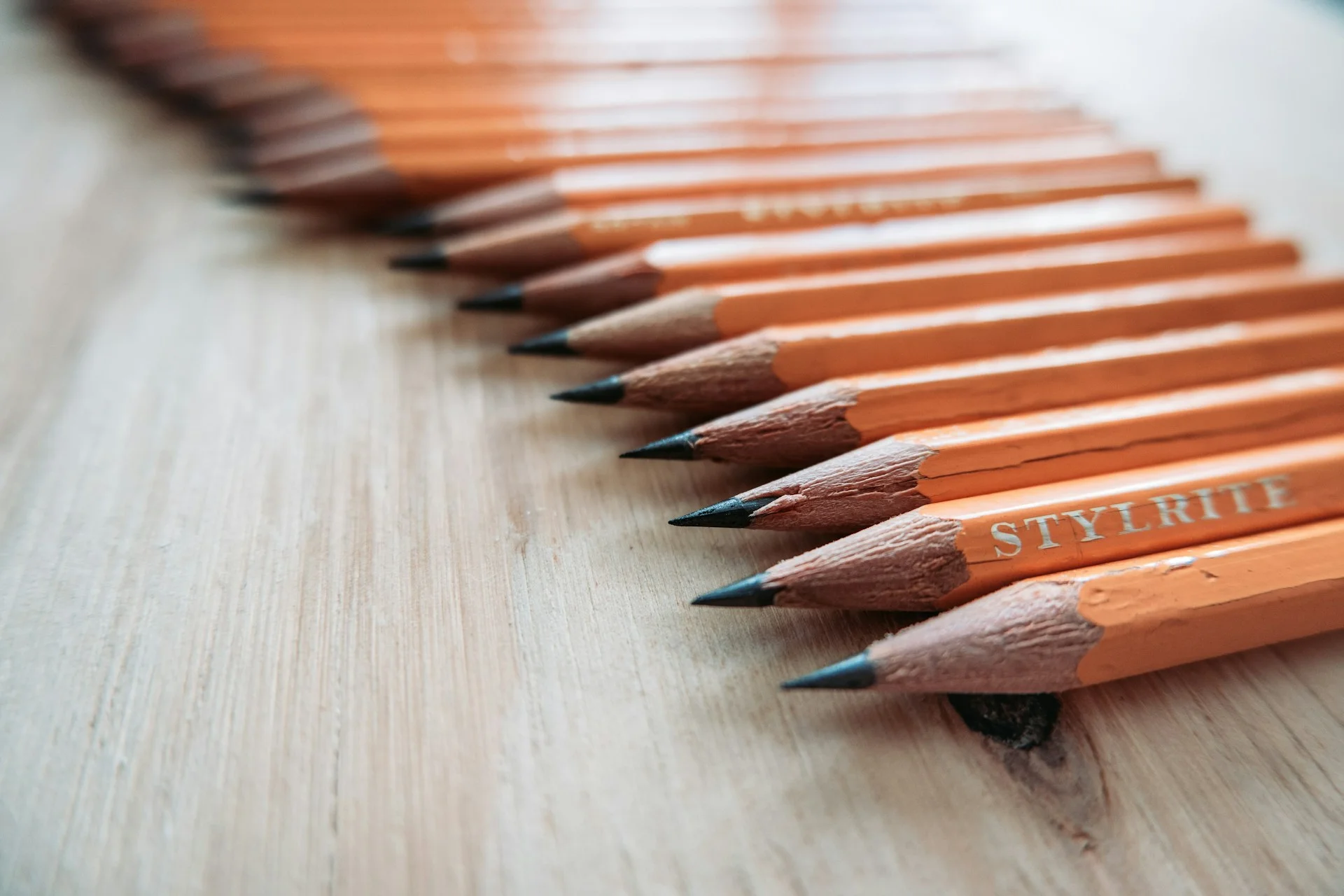
Traditional wooden graphite pencils are usually the simplest option for younger students. They are easy to grip, inexpensive to replace, and available in thick beginner-friendly shapes. Their graphite core can be sharpened to a precise point, which helps with small writing and diagrams. The main drawbacks are the need for a sharpener and the gradual change in balance as the pencil becomes shorter.
Mechanical pencils use replaceable lead, so they maintain a consistent length and do not require sharpening. That can be useful for older students who take notes quickly, complete math problems, or prefer a narrow point. A comfortable grip and a reliable lead-advance mechanism matter more than decorative features. Very thin leads may snap under heavy pressure, while thicker leads are generally more forgiving for everyday schoolwork.
A mechanical pencil can be a fine writing instrument mechanical choice when a student wants controlled, consistent lines, but it is not automatically better for every classroom. Some schools restrict mechanical pencils in early grades, and younger children may press too hard or lose small lead refills. Wooden pencils are often the safer starting point for handwriting practice, while mechanical pencils tend to suit students who can handle them responsibly.
Choosing the Right Pencil Grade
Pencil grade describes the hardness and darkness of graphite. The HB grade is the most versatile school standard because it produces a readable line without being excessively soft or difficult to erase. It works well for writing, arithmetic, worksheets, and general note-taking. Number 2 pencils are commonly comparable to HB pencils, although grading conventions can vary slightly by manufacturer.
Harder grades, such as H or 2H, create lighter and finer marks. They can be useful for geometry constructions, drafting, and precise diagrams, but they may feel scratchy if a student presses firmly. Softer grades, such as B or 2B, produce darker, smoother marks and are more suitable for shading and expressive drawing. They also smudge more readily and may need more frequent sharpening.
For most students, buying several specialized grades is unnecessary at the beginning of the school year. A reliable HB pencil can cover the majority of classroom tasks. Art students may later benefit from a small range that includes H, HB, and B or 2B, allowing them to create both light guidelines and deeper shadows without relying on excessive pressure.
Best Pencil Features for Younger Children
Younger children usually benefit from pencils that are easy to hold rather than unusually thin or highly technical. A triangular or hexagonal barrel can help prevent rolling and offer natural finger-placement points. A slightly thicker barrel may reduce hand fatigue during handwriting practice, although the best shape depends on the child’s grip and comfort.
A strong graphite core is valuable for children who press hard, because frequent breakage can interrupt learning and waste time. Pre-sharpened pencils may be convenient for the first day of school, but a dependable sharpener is still important. Look for a sharpener that fits the pencil’s diameter and has a covered shavings container if it will be used at a desk or in a classroom.
Erasers should remove ordinary graphite cleanly without requiring aggressive rubbing. An attached eraser is convenient, but a separate block eraser can offer better coverage for larger corrections. Avoid making appearance the main deciding factor. Bright colors and character designs may encourage ownership, yet the pencil should still be comfortable, durable, and easy to identify among classmates’ supplies.
Pencils for Math, Writing, and Art Classes
Math work generally calls for a sharp, consistent point. An HB wooden pencil or a mechanical pencil with medium-thickness lead can produce neat numerals, symbols, graphs, and geometric lines. Students who erase frequently may prefer a pencil with a clean eraser and lead that does not crumble under normal pressure. Keeping a spare nearby prevents a broken point from disrupting a timed assignment.
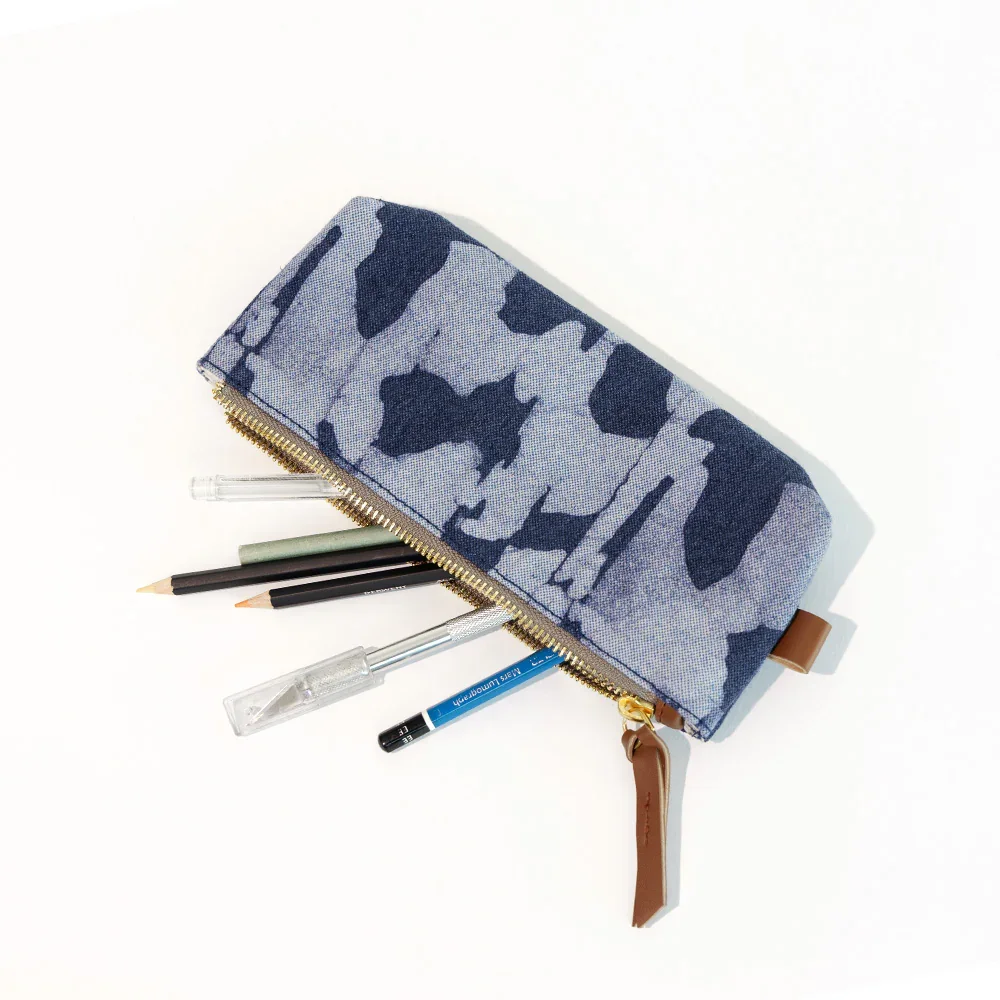
Writing assignments place more emphasis on comfort and smoothness. A pencil that glides without scratching can make longer work less tiring, while a slightly darker HB or B grade may improve readability for students with light handwriting. Students who use loose-leaf paper should also consider whether the pencil’s grip remains comfortable during extended note-taking. A classroom organizer or Zippered pouch can keep pencils, erasers, and lead refills together without scattering through a backpack.
How to Choose the Right Pencil
Art classes require more variety. An HB pencil is useful for outlines and planning, while softer grades create richer shading. Mechanical pencils can help with fine details, but they are not ideal for every drawing technique because their line width stays relatively uniform. A student working on sketches may also need a kneaded or soft eraser, a durable sharpener, and paper that accepts repeated erasing without tearing.
For technical diagrams or outdoor work, specialized options can sometimes be appropriate. RITE IN THE RAIN products are designed for writing in challenging wet conditions, so they may be relevant for field-based classes or activities where ordinary paper and graphite are inconvenient. Students should still check assignment requirements before substituting a specialized writing tool for a standard school pencil.
When Mechanical Pencils Make Sense
Mechanical pencils are most useful when students value a steady point, write frequently, or want to avoid carrying a sharpener. A retractable tip can protect pockets and pencil cases, while a cushioned grip may make long study sessions more comfortable. Lead size is worth checking: 0.7 millimeter is a practical general-purpose choice, while 0.5 millimeter offers finer lines but may break more easily for heavy-handed writers.
Students who prefer precision may look at established designs such as Rotring, but brand recognition should not replace checking fit, weight, grip texture, and refill availability. A heavier metal-bodied pencil can feel precise to one student and tiring to another. Before buying several, test one pencil if possible and make sure the student can advance the lead without accidentally pressing the eraser or clip.
How Many Pencils Students Actually Need
The right quantity depends on the grade level and how often supplies disappear. For a younger student, six to twelve dependable wooden pencils may cover the first part of a term, provided a sharpener and eraser are also available. Older students who use mechanical pencils may need two or three complete pencils plus spare lead and an extra eraser. Keeping a few backups at home prevents last-minute searches before school.
It is usually more practical to buy a moderate supply of consistent pencils than a large assortment of grades or novelty designs. Labeling a pencil case can reduce mix-ups, and a compact case such as a Five Star organizer may make it easier to separate writing tools from chargers, rulers, and other supplies. At home, store spare pencils somewhere dry and accessible rather than leaving the whole supply in an overfilled backpack.
A Simple School Pencil Checklist
Choose HB pencils for the broadest range of schoolwork, then add softer or harder grades only when a class requires them. Select a barrel that matches the student’s grip, an eraser that removes marks cleanly, and a point that will not break under normal pressure. For mechanical pencils, check lead thickness, refill availability, and whether the student can use the mechanism confidently.
Finally, follow the teacher’s supply list and school rules. Some classrooms require standard wooden number 2 pencils for tests, while others allow mechanical pencils for daily work. The most useful school supply is the one that supports clear writing, comfortable practice, and reliable preparation without adding unnecessary complexity.